Lower Back Pain When Sitting: Causes, Relief and When to Worry
Usually it's about how long and how you sit, not damage. Here is what helps, and when to get checked.

In this article
- Why sitting can make your lower back hurt
- Sitting loads the lower spine
- Staying still is the real problem
- Tight hips and a weak trunk
- Your set-up
- Disc and nerve problems
- What helps
- Move more often, not perfectly
- Adjust your chair and desk
- Keep active and exercise
- Heat and short-term pain relief
- How long it usually lasts
- When to see a doctor
Lower back pain that comes on while you sit, and eases when you stand or walk, is very common. In most people it isn’t caused by serious damage. It comes from how long and how you sit: the load sitting puts on the discs, muscles that stiffen when they don’t move, and a chair or desk that pushes you into a slump. The good news is that the same things are fairly easy to change.
Below are the usual causes, what tends to help, and the warning signs that mean you should get checked quickly.
Why sitting can make your lower back hurt
Sitting loads the lower spine
Your lumbar discs carry more load when you sit than when you stand, and more again when you slump forward. Long stretches of slouched sitting keep that load on the same tissues for hours, and they get sore.
Staying still is the real problem
Muscles and joints like movement. Sitting in one position for an hour or more lets the muscles around the spine and hips stiffen, which is why the first few steps after a long meeting or drive can be the worst.
Tight hips and a weak trunk
Hours of sitting keep the hip flexors at the front of the hip in a shortened position, and the glutes do very little. Over time, that can change how your pelvis sits and how much work the lower back does to hold you upright.
Your set-up
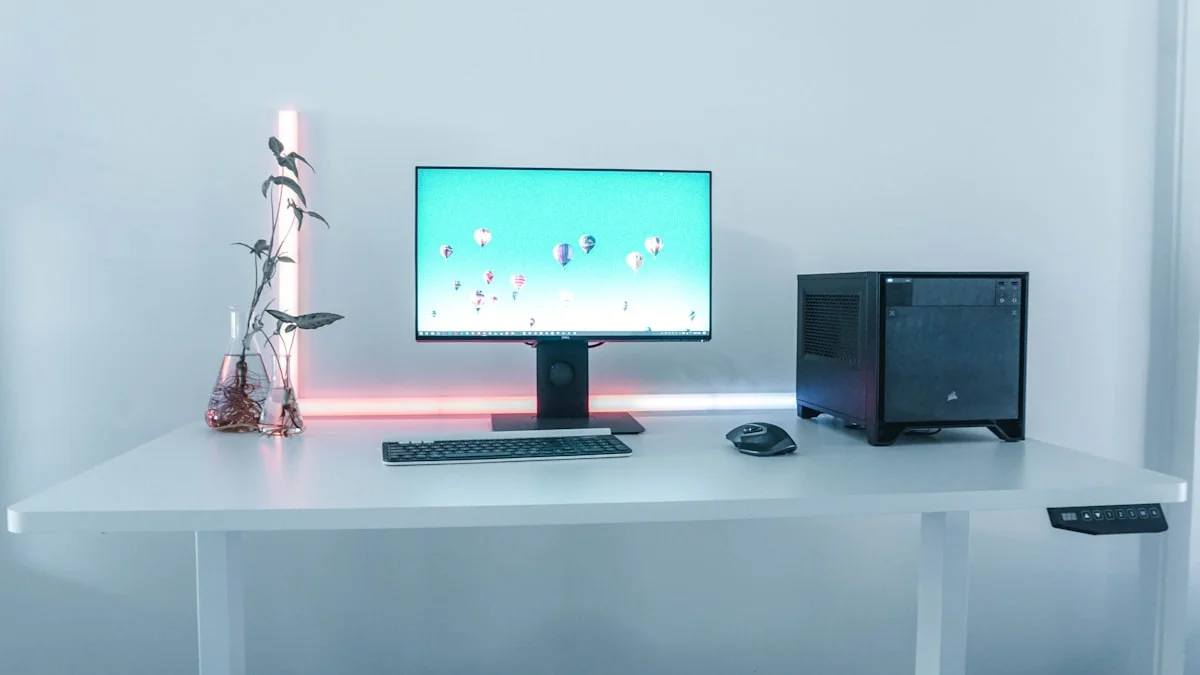
A chair with no lower-back support, a seat that is too high or too low, a screen you have to lean towards, or a laptop on your knees all nudge you into a rounded posture. Long drives cause the same problem, with vibration added.
Disc and nerve problems
Sometimes sitting-related pain comes from a bulging or herniated disc. Pain that travels down one leg below the knee, especially with tingling or numbness, suggests a nerve is irritated (sciatica). This often improves on its own over weeks, but it’s worth having assessed if it is severe or not settling.
What helps
Move more often, not perfectly
There is no single “correct” sitting posture that prevents pain. Changing position regularly matters more. Try standing up, walking or stretching for a minute or two every 30–45 minutes. A phone timer, a standing desk used part of the day, or taking calls on your feet all help.
Adjust your chair and desk
- Feet flat on the floor or a footrest, knees roughly level with your hips.
- Support the curve of your lower back with the chair’s lumbar support, or a small cushion or rolled towel.
- Sit back in the chair rather than perched on the front edge.
- Top of the screen at about eye level, an arm’s length away. If you use a laptop all day, a separate keyboard and a stand make a big difference.
- In the car, move the seat close enough that you don’t reach for the pedals, keep a slight bend in the knees, and stop for a short walk on long trips.
Keep active and exercise
For back pain lasting more than a few weeks, exercise has some of the strongest evidence of any treatment. That includes walking, yoga, tai chi, Pilates-style core work, or a programme from a physiotherapist. Simple daily moves help many people: knee-to-chest stretches, glute bridges, a kneeling hip-flexor stretch and the cat–cow stretch. Start gently and build up. Some discomfort is fine, but sharp or worsening pain is a sign to ease off.
Heat and short-term pain relief
For recent back pain, the American College of Physicians recommends trying non-drug options first, such as heat, massage, acupuncture or spinal manipulation. A heat pack or warm shower can ease muscle spasm. If you need medication, an anti-inflammatory such as ibuprofen or naproxen is the usual first choice, at the lowest dose that works and for the shortest time.
Check with a pharmacist or doctor before taking anti-inflammatories if you have stomach ulcers, kidney problems, heart disease or high blood pressure, are pregnant, or take blood thinners or other regular medicines. Paracetamol (acetaminophen) on its own is not recommended for lower back pain: the ACP guideline found it no better than placebo, and the UK’s NICE quality standards advise against using it alone.
How long it usually lasts
Most episodes of non-specific lower back pain improve within a few weeks, even when they are very painful at first. Staying as active as you can, rather than resting in bed, helps recovery. If it keeps coming back, the habits above usually matter more than any single treatment.
When to see a doctor
Get emergency help right away if back pain comes with any of these. They can be signs of cauda equina syndrome or another serious problem:
- numbness or tingling between the legs or around the buttocks or genitals
- new trouble passing urine, or loss of bladder or bowel control
- weakness or numbness in both legs, or legs that suddenly feel unsteady
- new problems with sexual function
See a doctor soon if you have back pain with:
- fever, or feeling generally unwell
- unexplained weight loss, or a history of cancer
- pain after a fall or injury
- pain that is severe at night or doesn’t ease with rest or position changes
- pain that isn’t improving after about six weeks, or is getting worse
- pain spreading down one or both legs, with numbness or weakness
A physiotherapist is a good next step for persistent pain without warning signs. In many areas you can refer yourself.
This article is general health information and doesn’t replace advice from your own doctor, pharmacist or physiotherapist.
Frequently asked questions
Why does my lower back hurt when I sit but not when I stand?
What is the best way to sit to avoid lower back pain?
Can sitting too much cause permanent back damage?
What painkiller is best for lower back pain?
When should I worry about lower back pain?
Sources & references
- Noninvasive treatments for low back pain: ACP practice guideline (summary) — American Family Physician
- ACP issues guideline for treating nonradicular low back pain — American College of Physicians
- Quality statement: paracetamol for low back pain without sciatica — NICE
- Back pain and cauda equina warning signs — NHS Dudley Group
Written by
Ghulam Mustafa, Founder
BloggerEditor in Chief
Ghulam Mustafa is the founder and editor of Life in Lines. He has spent more than eight years writing and editing practical guides, and runs a UAE-based digital marketing agency specialising in SEO, AEO and GEO. He reviews the site’s health articles for accuracy and…
Every article is written by a named author, checked against primary sources and updated when the facts change.