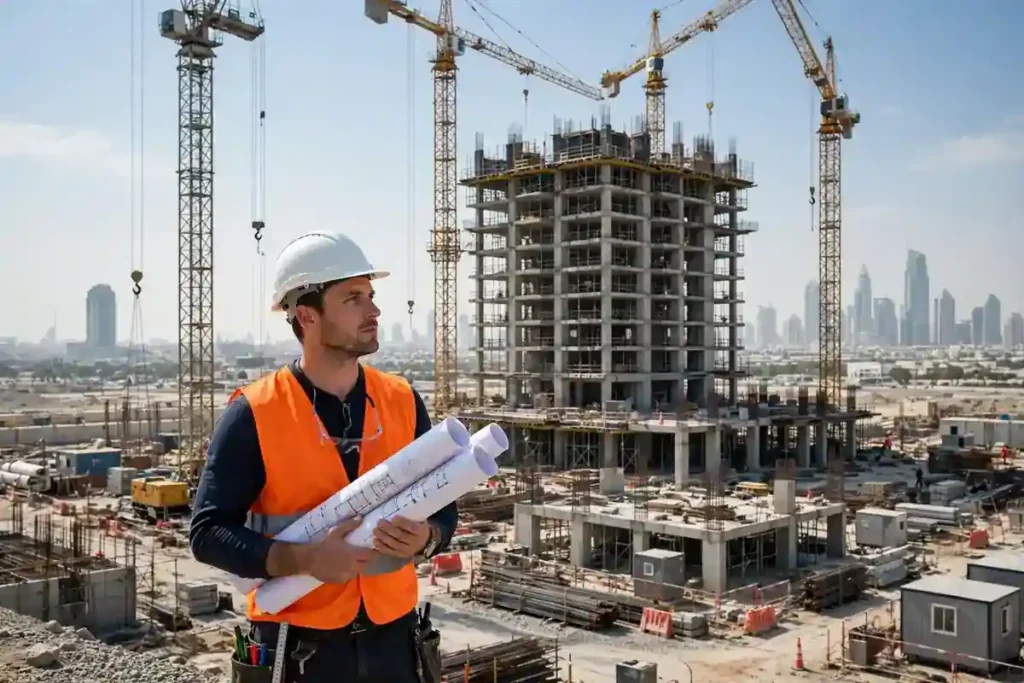
Ahmed lives in Dubai. His father owned a two-bedroom flat in Marina. His father passed away in March 2026. Ahmed wants to sell inherited property in UAE and share the money with his two sisters. He cannot list the flat yet. The title deed still names his father. The Dubai Land Department will not move the title until a court names the heirs. That court paper comes first. The sale comes after it.
The BoloSara24 team checked the Dubai Land Department inheritance service page and the Dubai legislation portal on 29 November 2026. The DLD page says it moves a title to the heirs only on a court certificate. The certificate must come from the judicial authorities. Dubai Law No. 7 of 2006 says a certificate of inheritance must be registered in the Property Register. No heir can sell a share until that step is done.
Quick Answer: To sell inherited property UAE law asks you to get a court inheritance certificate first. Then you register the heirs on the title deed at the Dubai Land Department. Only then can all heirs sign the sale. If one heir says no, the sale stops until the court or the DLD settles the dispute.
Who can sell inherited property UAE families hold
Only the heirs named in the court paper can sell. The court paper is called a succession certificate or an inheritance certificate. It lists each heir and the share each one gets. A buyer will ask to see it. An agent will ask to see it. The Land Department will ask to see it too.
Who counts as an heir turns on two facts. The first fact is the religion of the person who died. The second fact is the will he left. A Muslim estate follows the shares in the UAE Personal Status Law. Federal Decree-Law No. 41 of 2024 is the current Personal Status Law. It came into force on 15 April 2025. A non-Muslim estate can follow a registered will. A non-Muslim with no will falls under the civil personal status law or the law of his home country. The court picks the law after it looks at the facts.
Ahmed has two sisters and no will from his father. His father was Muslim. The Personal Status Court in Dubai will set the shares. Ahmed cannot guess the shares at home. He must wait for the court paper.
Do you know if the person who died left a will? Ask the family first. Check his papers at home. Ask his bank if a will was lodged with them. A registered will changes the shares and it changes the court route. The will route is covered in the guide on how to execute a will in UAE.
Get the court paper first
The court step takes the longest time in the whole sale. Start it before you talk to any buyer. Heirs who live abroad can start the same way. The court filing steps are covered in the guide on how to file a case in Dubai Courts in UAE. You need a death certificate first. Get it attested if the death took place outside the UAE. Get an Arabic translation from a legal translator if the papers are in another language.
File the case at the Personal Status Court in the emirate where the person who died last lived. Dubai cases go to Dubai Courts. Abu Dhabi cases go through the Abu Dhabi Judicial Department. The court asks for the death certificate, the title deed, and the Emirates ID or passport of each heir. It may ask for two witnesses. It checks the papers and then it issues the succession certificate.
A registered will can speed this step up. The DIFC Courts Wills Service lets a non-Muslim register a will in English for UAE assets. The Abu Dhabi Judicial Department runs its own wills register for all emirates. With a will on file, the court follows the will instead of working out the shares from scratch. BoloSara24 covers the Abu Dhabi route in the guide on ADJD will registration in UAE.
Note: Keep one attested copy of every paper. The court keeps the originals it asks for. The Land Department will ask for its own set. A second set saves you a week of repeat trips.
How long does the court step take? A plain file with full papers can settle in a few weeks. A file with a dispute or a missing paper takes months. The court sets the pace once the file is complete. Don’t promise a buyer a date until the court paper is in your hand.
Move the title into the heirs names
Take the court certificate to the Dubai Land Department. This step is called Real Estate Inheritance Registration. The DLD checks the court paper against the title deed. Then it issues a new title deed in the names of the heirs. The DLD step is a form of property registration. BoloSara24 covers the wider process in the guide on DLD property registration in UAE. Each heir owns a share. The shares match the court paper.
You need the court certificate, the old title deed, and the ID of each heir. If the flat has a mortgage, the bank must give a no-objection certificate first. The DLD lists that paper among the documents it needs for a mortgaged home. If the flat sits in a building under construction, the developer must give a no-objection certificate too. Ask the bank and the developer early. Both papers take time.
One heir can act for the rest with a power of attorney. Each heir signs a power of attorney in favour of one person. The power of attorney must be attested and translated into Arabic if it was signed abroad. That one person can then deal with the DLD and sign the sale papers. Heirs who live abroad use this route most of the time.
Don’t skip this step and go straight to a buyer. A buyer cannot register a flat that still sits in a dead person’s name. The DLD will turn the sale away. The time you save by skipping the step is lost twice over when the sale fails.
Sell the flat with every heir on board
Once the heirs sit on the title deed, the sale runs like any Dubai resale. This is the point where you can sell inherited property UAE buyers will accept. You agree a price with the buyer. You sign the sale contract. You go to the DLD or a trustee office to move the title to the buyer. Every heir must sign or be named in the power of attorney. One missing signature stops the whole sale.
What if one heir says no? Dubai has a rule for that. Decree No. 23 of 2020 covers the sale of a home owned by heirs in undivided shares. One heir can apply to the DLD for approval of the sale. The DLD tells the other heirs. They have 30 days to agree or to say no. If they say no, the DLD tries to settle the matter between the heirs. If no settlement comes, the file can go to a special tribunal. The tribunal can order the sale and set how the money is split.
That route takes time and it costs money. Talk first. A family meeting with the shares on paper settles most disputes. A lawyer helps when the shares are large or the family cannot agree. Don’t let a small row over a price turn into a court case that eats the profit.
The UAE charges no inheritance tax on the sale. That fact surprises many families. Tax in the home country of an heir may still apply. A UK heir or a US heir should ask a tax adviser at home before the money moves. The DLD fee for a normal sale still applies at the transfer stage. Ask the trustee office for the current fee list before you set the sale date.
Tip: Agree in writing how the sale money will be split before you sign with a buyer. Put the bank account for the money in the same paper. The court shares decide the split. The paper stops a row after the money lands.
Mistakes that stall a sale
Three mistakes stall most sales. The first mistake is listing the flat before the court paper is ready. Agents will take the listing. Buyers will make offers. The DLD will still say no. The buyer walks away and the family loses months.
The second mistake is a power of attorney with the wrong words. A general power of attorney may not cover a property sale. The DLD wants clear words that cover sale and disposal of the flat. Ask a notary to check the wording before you attest it. A wrong paper means a fresh trip to the notary and a fresh attestation.
The third mistake is hiding a tenant or a service charge debt. A tenant with a live Ejari stays in the flat after the sale. Unpaid service charges follow the flat too. Tell the buyer about both. Settle the service charges before the transfer date. A clean flat sells faster and it sells for more.
A will row can also stall a sale. BoloSara24 explains the challenge route in the guide on how to challenge a will in UAE. The bank side needs its own court paper too. BoloSara24 covers it in the guide on how to close a bank account after death in UAE. Minors need care too. A child heir cannot sign a sale. The court must approve the sale of a minor’s share. That approval takes its own time. Start it with the court file, not after the buyer is found.
Frequently Asked Questions
Can I sell inherited property in UAE before the court paper?
No. The Land Department will not move the title out of a dead person’s name without a court certificate. List the flat only after the heirs sit on the title deed. That is the safe way to sell inherited property UAE law accepts.
How long does it take to sell inherited property in UAE?
A plain case with full papers can finish in two to four months. The court step takes most of that time. A dispute between heirs or a missing paper can push it past six months.
Do all heirs have to agree to the sale?
Yes, in a normal sale. Every heir signs or gives a power of attorney. If one heir says no, the DLD can try to settle the matter. The special tribunal can then decide.
What papers does the DLD need for an inherited flat?
The court inheritance certificate, the old title deed, and the ID of each heir. A mortgaged flat also needs a bank no-objection certificate. A flat under construction also needs a developer no-objection certificate.
Can an heir who lives abroad sell from outside the UAE?
Yes. The heir signs a power of attorney in favour of one person in the UAE. The paper must be attested and translated into Arabic. That person can then deal with the court, the DLD, and the buyer.
Is there inheritance tax on a property sale in the UAE?
No. The UAE charges no inheritance tax. Tax in the heir’s home country may still apply, so ask a tax adviser at home before the money moves.
Official Sources
– Dubai Land Department: The DLD runs Real Estate Inheritance Registration and moves a title from a deceased owner to the heirs on a court certificate.
– Dubai Courts: Dubai Courts runs the Personal Status Court that issues succession certificates in Dubai.
– Dubai Law No. 7 of 2006, Real Property Registration: Article 11 says a certificate of inheritance must be registered in the Property Register.
– Abu Dhabi Judicial Department: The ADJD runs will registration and inheritance files in Abu Dhabi and its wills register covers assets in all seven emirates.
– DIFC Courts Wills Service: The DIFC page describes will registration for non-Muslims with UAE assets.
– UAE Government Portal: The portal links to federal laws on personal status and inheritance for residents.
Disclaimer
BoloSara24 is an independent guide. It has no link with the UAE government, Dubai Courts, the Dubai Land Department, the ADJD, or the DIFC Courts. Facts here were checked on official sources on 29 November 2026. Rules and fees change. Confirm the current steps and fees with the court and the Land Department before you act. This article gives general information only. It is not legal advice. For a disputed estate or a large estate, speak to a licensed UAE lawyer.
Last Updated: 29 November 2026.