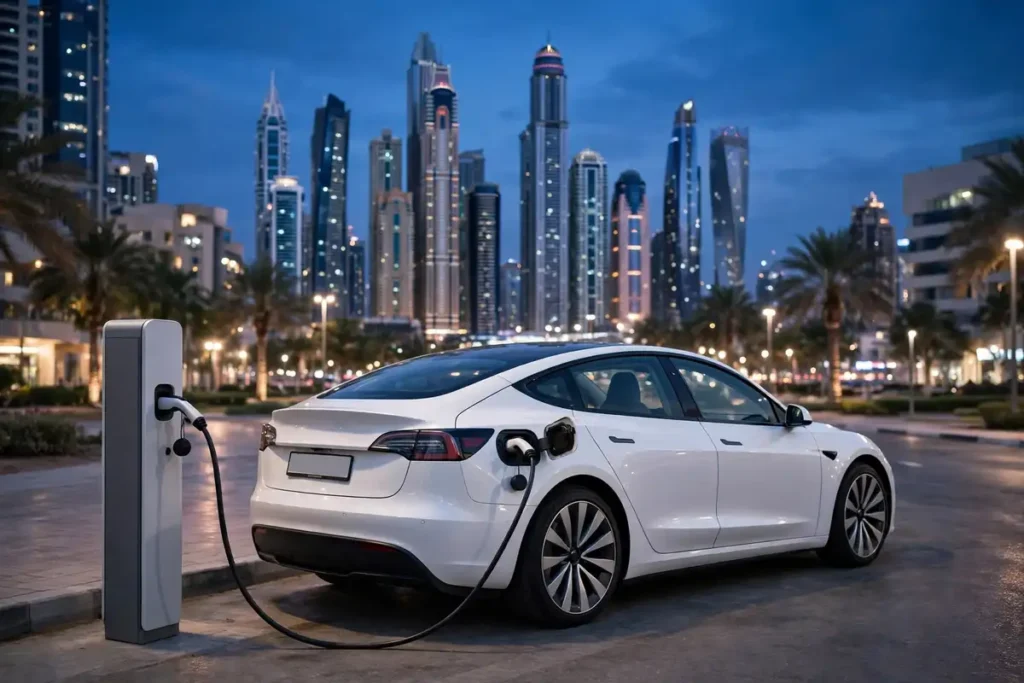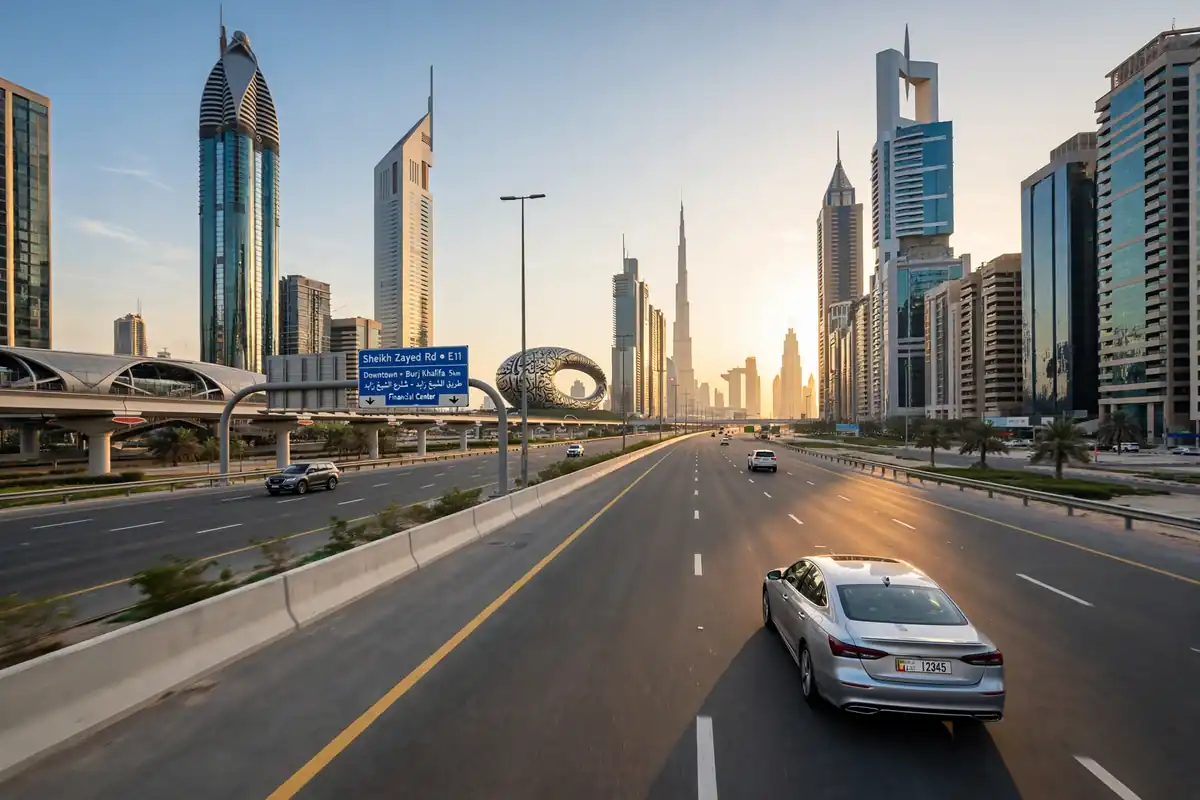
Fuel prices in the UAE change every month. The Fuel Price Committee sets the new price. The same price applies at every pump in the country. You can’t shop around for cheaper fuel. You can change how you drive. Small habits cut your fuel bill by a clear amount. This guide shows how to save fuel driving UAE roads in heat and traffic. The BoloSara24 team checked the RTA fuel saving guidance and the US Department of Energy pages on 29 November 2026. Dubai RTA says smooth driving can save up to 10% on fuel.
Quick Answer: Drive smoothly, keep your tyres at the right pressure, use the air conditioning with care, and cut idling. Smooth driving alone can save up to 10% on fuel, per Dubai RTA. Steady speed on the highway saves more. These steps help you save fuel driving UAE highways and city streets. These habits work in UAE heat and in slow city traffic.
How to save fuel driving UAE with smooth driving
Your right foot sets your fuel bill. Hard starts burn extra fuel. Hard stops waste the fuel you already burned. Smooth moves save fuel on every trip.
Press the pedal with care. Build speed bit by bit. Look far ahead on the road. Ease off the pedal early when a light turns red. Let the car slow on its own. Brake late only when you must.
Speed matters a lot on the highway. The US Department of Energy says hard driving can cut fuel economy by 15% to 30% at motorway speeds. It can cut it by 10% to 40% in stop and go traffic. A steady 100 to 110 km/h on the E11 uses far less fuel than 140 km/h. Air drag grows fast as speed rises. Cruise control helps you hold a steady speed on a long straight road.
Mariam drives from Dubai to Abu Dhabi each week. She used to push 140 km/h on the open road. She now sets cruise control at 110 km/h. Her tank lasts longer on the same trip. Her drive takes only a few minutes more. Her fuel bill dropped by a clear amount each month.
Keep space from the car in front. A good gap lets you slow with the pedal, not the brake. Tailgating forces you to brake and speed up again and again. Each burst burns fuel. A calm gap keeps your speed smooth.
Tyre pressure and simple car care
Soft tyres make the engine work harder. The car rolls with more drag. Fuel use rises. Correct pressure fixes this in minutes.
Tip: Check your tyre pressure once a month. Check it in the morning before you drive. Use the pressure on the sticker inside the driver door. Don’t use the high number printed on the tyre wall. That number is a limit, not the right pressure.
The US Department of Energy says right tyre pressure can lift fuel economy by about 0.6% on average and up to 3% in some cars. Dubai RTA also tells drivers to keep the right tyre pressure. These checks help you save fuel driving UAE summer roads. Heat in the UAE makes pressure shift more. Check it every two weeks in summer.
Service your car on time. Old engine oil adds drag inside the engine. A dirty air filter hurts how the car breathes. A worn spark plug wastes fuel on each burn. Follow the service book that came with your car. A well kept car uses less fuel than a neglected one.
Take extra weight out of the boot. A roof box adds drag at speed. Take it off when you do not need it. Every 100 kg of extra load raises fuel use. Keep only what the trip needs.
Air conditioning in UAE heat
You cannot switch the air conditioning off in a UAE summer. You can use it with more care. The air conditioning draws power from the engine. It raises fuel use most on short trips.
FuelEconomy.gov says air conditioning can cut fuel economy by more than 25% in very hot conditions. The effect is worst on short drives. The car cools a hot cabin while the engine is still cold. Plan for this on short trips.
Park in shade when you can to save fuel driving UAE heat. A shaded car starts cooler. The air conditioning works less hard. Use a sun shade on the windscreen. Open the doors for a minute before you start. Let the hot air out first. Then start the car and switch the air conditioning on.
Set the air conditioning to a fair level. A very cold setting makes the system work at full power for the whole trip. A moderate setting cools the cabin and uses less fuel. Use the recirculation mode once the cabin is cool. It cools inside air again. It works less hard than cooling hot outside air.
On a cool winter evening, open a window at low speed. At high speed, shut the windows. Open windows add drag at highway speed. The air conditioning uses less fuel than open windows at 120 km/h.
Plan trips and cut idling
Short cold trips burn the most fuel per kilometre. The engine runs rich until it warms up. Combine your errands into one trip to save fuel driving UAE city traffic. Do the school run, the shop, and the bank in one loop. One warm engine beats three cold starts.
Idling burns fuel for nothing. The US Department of Energy says idling can use about a quarter to half a gallon of fuel per hour. The exact amount rests on engine size and air conditioning use. Switch the engine off if you wait more than a minute. Do this only where it is safe to do so. Keep the engine on in moving traffic.
Omar waits outside his kids school each day. He used to sit with the engine on for 20 minutes. He now switches it off and waits in the shade. He saves fuel each week. His car also runs cooler when he starts again.
Pick your travel time with care. Rush hour means stop and go traffic. Stop and go traffic burns far more fuel than a smooth run. Leave 30 minutes early when you can. A clear road saves fuel and time.
Share rides when you can. Four people in one car use far less fuel than four cars. A car pool once a week cuts your fuel bill by a clear share. It also cuts traffic for all.
Pick the right fuel grade
UAE pumps sell Super 98, Special 95, and E-Plus 91. Your car book names the grade your engine needs. Use that grade. A higher grade doesn’t add power to a car that needs 95. The right grade helps you save fuel driving UAE roads without waste.
Note: ADNOC Distribution tells drivers to follow the maker octane rating. A higher grade than needed does not add kilometres per litre. Never use a grade below the maker rating. A low grade can harm the engine over time.
Fill the tank in the cool morning when you can. Fuel expands in heat. A morning fill gives you a fair measure. Don’t top off the tank after the pump clicks. Extra fuel can spill or flood the vapour system. Stop at the first click.
Track your fuel use. BoloSara24 suggests a simple phone note for each fill. Note the kilometres and the litres at each fill. Divide kilometres by litres. You get your real fuel economy. Watch it over a month. You’ll see which habit helps most. A simple note on your phone does the job.
| Habit | What it can save |
|---|---|
| Smooth driving | Up to 10% per Dubai RTA |
| Steady highway speed | 15% to 30% vs hard driving |
| Right tyre pressure | About 0.6% to 3% |
| Less idling | Fuel burned while parked |
| Right fuel grade | No waste on dear fuel |
In Short: Smooth driving saves the most fuel. Tyre pressure, smart air conditioning use, and less idling add more. Track your fuel economy for a month. BoloSara24 readers who track fuel use see the gain in real numbers. You’ll see it too.
BoloSara24 lists car and driving guides for UAE readers. Our guide on best credit card for fuel in the UAE shows cards that pay you back at the pump. Pick a car that sips fuel with best SUVs in the UAE. Learn safe driving in bad weather from how to drive safely in UAE fog. Desert trips need care too, so read how to drive in the UAE desert safely. If your car stops on the road, read what to do when a car breaks down in the UAE.
Frequently Asked Questions
What is the best speed to save fuel driving UAE highways?
A steady 100 to 110 km/h suits most petrol cars on UAE highways. This speed helps you save fuel driving UAE highways. Air drag grows fast above that speed. The US Department of Energy says hard driving can cut fuel economy by 15% to 30% at motorway speeds. Cruise control helps you hold a steady speed.
Does smooth driving really save fuel?
Yes. Dubai RTA says smooth driving can save up to 10% on fuel. Ease off the pedal early. Build speed bit by bit. Brake late only when you must. Smooth moves help you save fuel driving UAE traffic each day.
How much fuel does the air conditioning use in the UAE?
FuelEconomy.gov says air conditioning can cut fuel economy by more than 25% in very hot conditions. The effect is worst on short trips. Park in shade, let hot air out first, and use a moderate setting to cut the load.
How often must I check tyre pressure in the UAE?
Check it once a month, and every two weeks in summer. Heat makes pressure shift more. Check it cold in the morning. Use the pressure on the sticker inside the driver door. Right pressure can lift fuel economy by about 0.6% to 3%.
Which fuel grade must I use in the UAE?
Use the grade your car book names. UAE pumps sell Super 98, Special 95, and E-Plus 91. ADNOC Distribution says a higher grade than needed does not add kilometres per litre. Never use a grade below the maker rating.
Does idling waste much fuel?
Yes. The US Department of Energy says idling can use about a quarter to half a gallon of fuel per hour. The amount rests on engine size and air conditioning use. Switch the engine off if you wait more than a minute where it is safe to do so.
Official Sources
Roads and Transport Authority Dubai: Dubai RTA guidance on smooth driving and tyre pressure.
Ministry of Energy and Infrastructure UAE: The ministry behind the Fuel Price Committee and monthly fuel prices.
ADNOC Distribution: Fuel grades sold in the UAE and advice on the right octane rating for your car.
ENOC: UAE fuel retailer and service station network across Dubai and the Northern Emirates.
FuelEconomy.gov US Department of Energy: Fuel saving facts on air conditioning load, idling, tyre pressure, and hard driving.
UAE Government Portal: Official UAE government services and transport information.
Disclaimer: BoloSara24 is an independent guide. It is not a government body, a fuel firm, or a car maker. Fuel prices and rules change each month. Confirm the latest price with the Fuel Price Committee. This guide is general information only. It is not financial advice.
Last Updated: 29 November 2026.