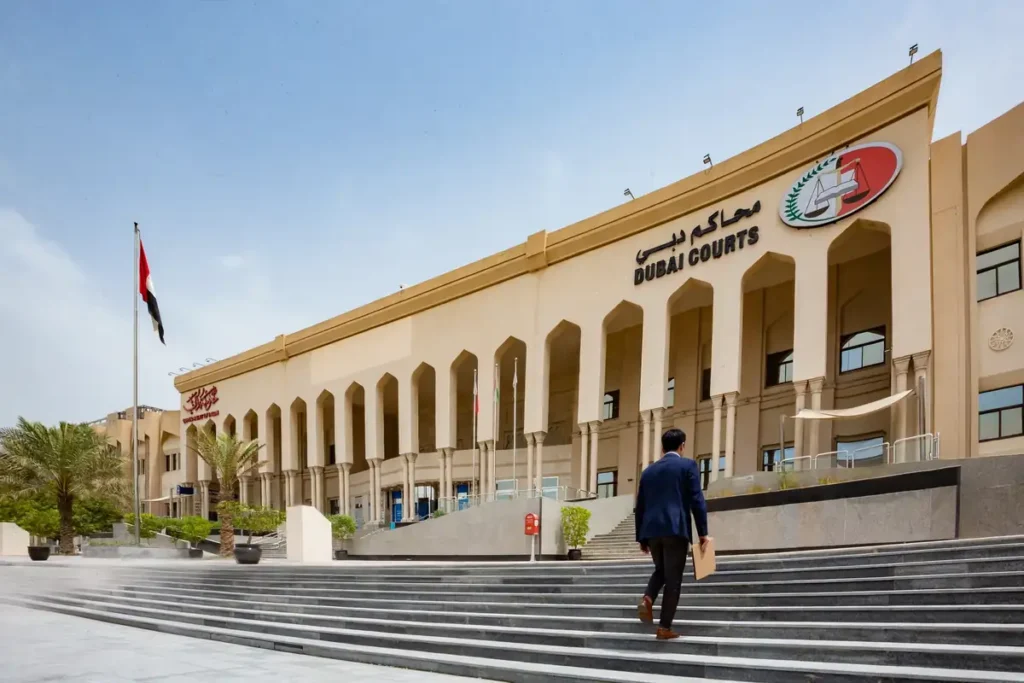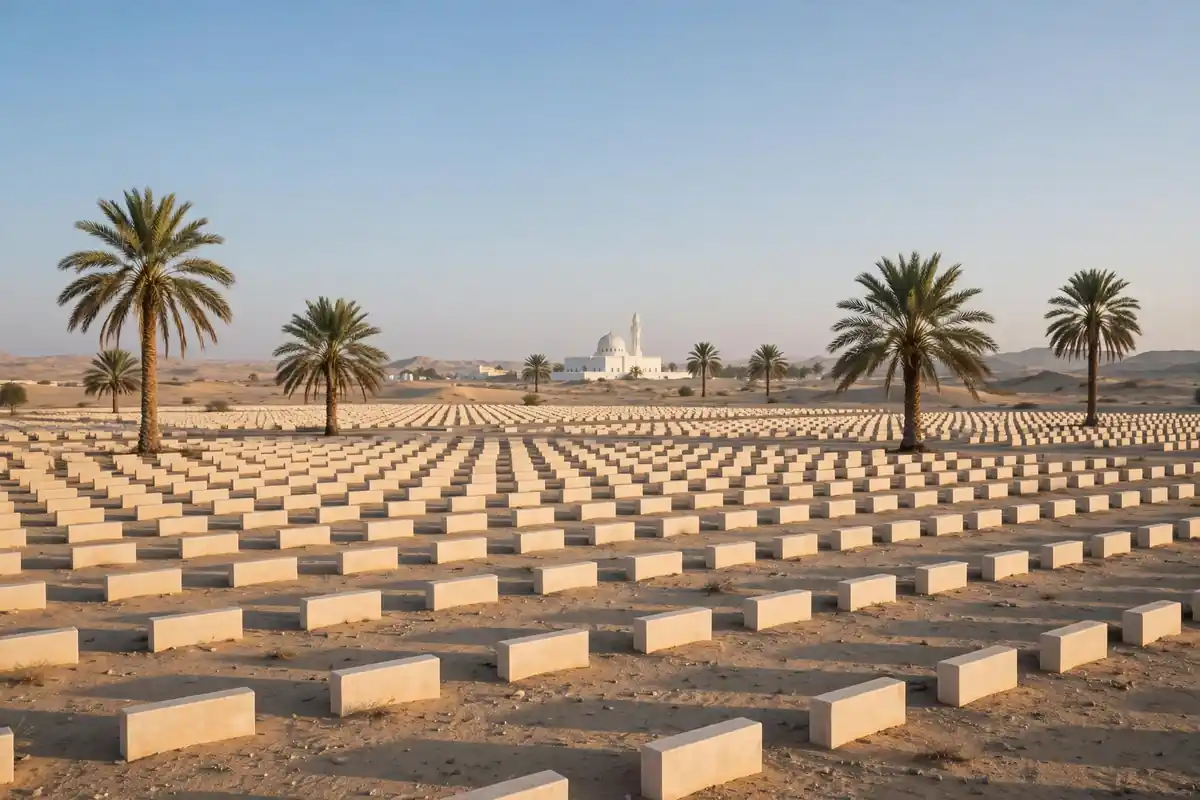
Losing a loved one hurts. Paperwork feels heavy at that time. A burial permit in UAE is one paper you can’t skip. No burial can take place in the UAE without it. The permit comes from the police in the emirate where the death took place. The health authority and the hospital play a part too. This guide walks you through each step in plain words. You will learn what papers you need, where you go, and what to do next. The BoloSara24 team checked the deaths page on the UAE Government portal on 30 November 2026. That page lists the steps and the papers for a burial permit in UAE.
Quick Answer: A burial permit in UAE comes from the district police in the emirate where the death took place. You need the death notice from the hospital or the police doctor first. The police stamp the death notice and give a no objection certificate. That certificate lets you get the death certificate. You show the death certificate and the permit at the cemetery. Muslims are buried in a public cemetery in the emirate. Non-Muslims use a church cemetery or a crematorium where the emirate allows it.
What a burial permit in UAE is
A burial permit in UAE is a police paper. It says the police have no objection to the burial. The police give it after they check the death notice. The death notice comes from a doctor. It states the cause of death. The police stamp the notice first. Then they issue a no objection certificate. People call this paper the burial permit. The cemetery asks for it before the burial. The health authority also needs it before it issues the death certificate.
Who gives the burial permit in UAE
The district police give the burial permit in UAE. The police station covers the area where the death took place. In Dubai, Dubai Police handle the paper. In Abu Dhabi, Abu Dhabi Police handle it. In the other emirates, the local police handle it. The health authority does not issue the permit. It issues the death certificate after the police clear the body.
The hospital starts the chain. A doctor writes the death notice when a person dies in a hospital. The hospital sends the body to the government mortuary. The mortuary holds the body until the papers are ready. The family does not move the body on its own. The hospital and the mortuary handle that move.
Death at home needs a police call first. Call 999 right away. The police come to the home. They write an initial death report. They move the body to the government mortuary. A police doctor writes the death notice after an examination. This step applies even when the death was expected after a long illness. Do not move the body before the police arrive.
Papers you need for a burial permit in UAE
Keep these papers in one folder. You will show them at the hospital, the police station and the cemetery.
Required Documents: The passport of the person who died. The Emirates ID of the person who died. The death notice from the hospital or the police doctor. Your own passport and Emirates ID. Proof that you are a close relative. A marriage certificate or a family book works for this. The police may ask for the residence visa too. Keep the originals safe. Carry clear copies and phone photos as well.
Tip: Make three sets of copies on the first day. One set stays with you. One set goes to the funeral agent. One set stays at home. You will hand copies to many desks. Originals stay with you at all times.
How to get a burial permit in UAE step by step
Follow these steps in order. Skip none of them. Each step opens the next one.
Step 1. Report the death
A death in a hospital is reported by the hospital. The doctor writes the death notice. The hospital moves the body to the mortuary. You do not call the police yourself in this situation. A death at home or in a public place needs a call to 999. The police write the first report. They move the body to the government mortuary. A doctor at the mortuary writes the death notice.
Step 2. Get the death notice stamped by the police
Take the death notice to the district police. The police stamp it after they check the facts. The stamp means the police have seen the death notice. The police may ask questions about the death. Answer them plainly. The police may send the body for a forensic check. This takes more time. It is a normal step when the cause of death is not clear.
Step 3. Collect the no objection certificate
After the stamp, the police issue a no objection certificate. This is the burial permit in UAE. The police may issue separate certificates for separate acts. One certificate releases the body. One certificate covers embalming at the mortuary. One certificate covers the move of the body to another country. Ask the police which certificates you need. Tell them your plan for the burial first.
Step 4. Get the death certificate
Take the no objection certificate to the health authority. In Dubai, the Dubai Health Authority issues the death certificate. In Abu Dhabi, the Department of Health issues it. In the northern emirates, Emirates Health Services issues it. You can also ask for the death certificate through the Emirates Health Services site. The health authority needs the burial permit from the district police. It also needs the passport or the Emirates ID of the person who died.
Step 5. Arrange the burial
Show the death certificate and the burial permit at the cemetery. The municipality runs the public cemeteries. Muslim burials take place in a public cemetery in the emirate. The burial often takes place within 24 hours after the papers are ready. Non-Muslim burials use a church cemetery. Cremation is open to non-Muslims only. Dubai, Sharjah and Al Ain have cremation sites. A funeral agent can book the cemetery slot and arrange the washing and the prayers.
Example: Ahmed lost his father in a Dubai hospital in November 2026. The hospital wrote the death notice the same night. Ahmed took the notice to the district police the next morning. The police stamped it and gave the no objection certificate. Ahmed took the certificate to the Dubai Health Authority. He got the death certificate the same day. The burial took place at the public cemetery the next morning. The whole chain took two days.
Burial in UAE or sending the body home
Many families choose burial in the UAE. Some families send the body home. The papers differ a little for each choice. Tell the police your choice at the start. The police issue the right certificates for your choice.
Burial in the UAE needs the death certificate and the burial permit. Nothing moves before the death certificate is ready. The embassy of the home country must know about the death. The embassy issues its own no objection letter. The funeral agent arranges embalming and a sealed coffin. The agent books the cargo flight. The agent also clears customs at the airport. Use a registered funeral agent for this work. The rules for coffins and flights are strict.
Note: The Department of Health Abu Dhabi stamps death certificates. Its stamp counts the same as a Ministry stamp. The same goes for a stamp from the Dubai Health Authority or Emirates Health Services. The UAE Government portal states this on its deaths page.
Fees and time for a burial permit in UAE
Common mistakes with a burial permit in UAE
Common Mistakes: Families move the body before the police arrive. That breaks the chain and adds days. Families pick a burial date before the police give the permit. That date often moves. Families forget the embassy step when they send the body home. The embassy letter is a must for the flight. Families hand over originals and lose them. Keep originals with you. Give copies only.
Another mistake is to use the wrong emirate. The papers come from the emirate where the death took place. The emirate on the visa does not matter here. A death in Sharjah needs Sharjah police papers. A Dubai visa does not change that. Check the emirate first and save yourself a wasted trip.
Do and Dont: Do call 999 at once for a death at home. Do keep originals with you. Do tell the police your burial plan at the start. Do ask for every fee in writing. Don’t move the body before the police arrive. Don’t fix a burial date before the permit is in your hand. Don’t pay any person who offers a faster permit for cash. The police permit has no fast lane.
Warning: Anyone who asks you for cash to speed up a burial permit in UAE is not part of the official chain. The police and the health authority issue papers through their own counters. Report such a person to the police on 901 in Dubai. You can also report at your nearest police station.
What to do after the burial
The papers do not end at the burial. The death certificate has more uses after that day. The bank asks for it to close accounts. The employer asks for it to settle dues. The guide on how to claim end of service benefits after a death in UAE covers that step. The court asks for it in inheritance matters. Get two or three attested copies of the death certificate. Keep one copy at home and one copy with a trusted relative. BoloSara24 hears from families who miss this step and face blocks at the bank weeks later.
Read the BoloSara24 guide on how to register a death in UAE for the full chain after the burial. It covers the death certificate and the embassy steps in more detail. You can also read the guide on how to get a death certificate in UAE. It lists the papers for each emirate. A will helps the family too. The guide on how to register a will at Ajman Courts in UAE shows one way to record it.
Frequently Asked Questions
How long does a burial permit in UAE take?
A natural death in a hospital often takes one or two days. A death at home takes longer. The police and the forensic doctor need time first. An unnatural death takes the longest time. The Public Prosecution must clear it before the permit comes.
Who issues a burial permit in UAE?
The district police issue it. The police cover the area where the death took place. The health authority issues the death certificate after the police clear the body. The hospital writes the death notice that starts the chain.
What papers do I need for a burial permit in UAE?
You need the death notice first. You also need the passport and the Emirates ID of the person who died. Bring your own passport and Emirates ID too. Bring proof that you are a close relative. An unnatural death needs a forensic report and a letter from the Public Prosecution.
Can non-Muslims be buried in UAE?
Yes. Non-Muslims use church cemeteries in the emirate. Cremation is open to non-Muslims only. Dubai, Sharjah and Al Ain have cremation sites. The burial permit in UAE is still needed for a non-Muslim burial or cremation.
Does a burial permit in UAE cost money?
The police permit itself costs nothing in most cases. The death certificate has a small fee. The fee changes by emirate. A private funeral agent charges its own fee. Ask for every fee in writing before you pay.
Can I send the body to my home country?
Yes. You need the death certificate first. The embassy must issue a no objection letter. A registered funeral agent arranges embalming, a sealed coffin and the cargo flight. Tell the police your plan at the start so they issue the right certificates.
Official Sources
UAE Government portal, Deaths: The official steps for a death in UAE, the police stamp, the no objection certificate, and the death certificate papers.
Dubai Health Authority: The authority that issues death certificates in Dubai and runs the birth and death notice services.
Ministry of Interior: The federal ministry behind the dead body transport permission and the police services in the northern emirates.
Dubai Police: The police service for death reports, the corpse entry permit, and police station services in Dubai.
Disclaimer
BoloSara24 is an independent guide. It is not a government body, a hospital, or a funeral service. Facts here were checked on the official pages listed above on 30 November 2026. Rules and fees change. Confirm the steps with the police and the health authority in your emirate before you act. This page gives general information only. It is not legal advice.
Last Updated: 29 November 2026.