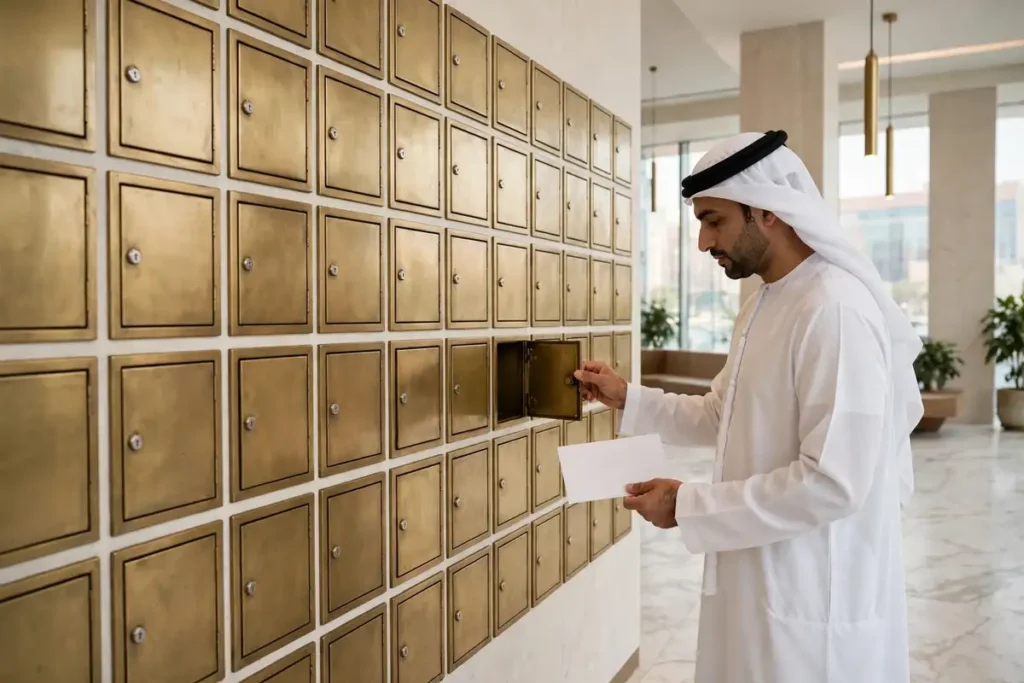
Ramadan changes the pace of life in the UAE for a month. Days get quieter, nights get livelier, and families share meals after sunset. This Ramadan in UAE guide for families tells you what changes and how to plan. It covers work hours, school hours, food, travel, and respect for others. It uses facts from the UAE government portal u.ae, MOHRE, and FAHR. Read it first, then plan your month with ease.
Quick Answer: Ramadan lasts 29 or 30 days. It starts when the moon-sighting committee confirms the new moon. Private sector staff work two hours less each day. Schools run for a max of five hours a day. Malls stay open late, and the cities come alive after sunset. Non-Muslims do not need to fast. BoloSara24 starts this guide with the basics.
Ramadan is the ninth month of the Islamic calendar. It is the holiest month of the year. Muslims who are able to fast do not eat, drink, or smoke from dawn to sunset. The fast ends each day with iftar, the meal at sunset. The day starts with suhoor, the meal before dawn. This Ramadan in UAE guide for families helps you plan each part of the day.
When Is Ramadan in the UAE
Ramadan starts with the sighting of the new crescent moon. It lasts 29 or 30 days. The UAE moon-sighting committee meets after sunset on 29 Sha’ban, the month before Ramadan. The committee works under the UAE Council for Fatwa. It confirms the start date that night.
Ramadan 2026 started on 19 February 2026. It ended on 19 March 2026. Ramadan 2027 is due to start on Monday 8 February 2027. That date is a forecast from sky charts. The moon-sighting committee will confirm it. Eid Al Fitr will follow in March 2027. Do not book travel on a fixed date till the committee confirms it.
The Islamic year is about 11 days shorter than the Gregorian year. That is why Ramadan moves back each year.
Ramadan in UAE Guide for Families: Daily Life
Daily life in Ramadan has a new rhythm. Mornings are slow and quiet. Evenings are busy and full of joy. Families wake early for suhoor, the meal before dawn. They eat dates, bread, eggs, and fruit.
Iftar is the meal that breaks the fast at sunset. Many families break the fast with dates and laban, which is buttermilk. Then they eat soup, rice, and meat. Mosques and tents serve free iftar meals to all. It’s a warm way to meet your neighbours.
After iftar, families go out. Malls, parks, and cafes fill up. Kids play late into the night. Tarawih prayers take place each night after the Isha prayer. The nights feel festive, with lights and food stalls in many areas.
Good to Know: Supermarkets and grocery shops stay open as usual in Ramadan. Malls stay open till late at night. You can buy all you need at any time.
Sleep patterns change in Ramadan. Many families sleep late and wake late. Try to keep a fixed sleep time for small kids. A short nap in the afternoon helps them a lot. Don’t let kids stay up too late each night.
Work Hours in Ramadan
Work hours drop in Ramadan by law. Private sector staff work two hours less each day. The rule applies to Muslim and non-Muslim staff alike, with no cut in pay. MOHRE restates the rule in a notice each year. The last notice came on 12 February 2026.
An eight-hour day drops to six hours in Ramadan. A nine-hour day drops to seven hours. Many firms use 9 in the morning to 3 in the afternoon. If your boss does not cut your hours, you can raise it with MOHRE. BoloSara24 notes that you can’t be asked to work full hours in Ramadan. You can read MOHRE labour contract check UAE to learn how to check your own record.
Federal government staff follow a set plan each Ramadan. In Ramadan 2026, the hours were 9 in the morning to 2.30 in the afternoon, from Monday to Thursday. On Friday, the hours were 9 in the morning to 12 noon. FAHR sets these hours by circular each year.
Note: Staff in DIFC and ADGM free zones follow their own work laws. The two-hour cut works in a different way there. Check with your HR team if you work in a free zone.
School Hours in Ramadan
Schools run shorter days in Ramadan. Private schools in Dubai run for a max of five hours a day. That rule comes from KHDA, the Dubai school authority. Other emirates set their own hours, but the days are shorter across the UAE. Parents should check with their child’s school for the exact times. This Ramadan in UAE guide for families uses the KHDA hours for Dubai.
On Fridays, schools close early. In Dubai, schools must end by 11.30 in the morning on Fridays. That gives families time to reach Friday prayers at 12.45 in the afternoon. Some schools use distance learning on Fridays. Check with your school for its Friday plan.
Fasting students do not need to take part in hard PE lessons. Schools give them a break from strenuous sport. Exams often move to the morning, when kids have more energy. Talk to your child’s teacher if your child fasts. The school can plan the day to suit them.
Tip: Pack a light suhoor for your child if they fast. Dates, bread, and fruit give them slow energy for the school day. You’ll see the change in their mood if they eat well before dawn.
Food, Malls, and Evenings in Ramadan
Food is at the heart of Ramadan evenings. Restaurants open fully at iftar. Many malls serve iftar buffets and suhoor meals late at night. Food courts set aside areas for those who fast. BoloSara24 says book a buffet early, as the best tables fill fast.
Malls stay open late in Ramadan. Major malls often stay open till 1 in the morning. Some food spots serve suhoor till 2 in the morning. Global Village is a top pick for a Ramadan night out. In Ramadan 2026, it opened at 5 in the evening and stayed open till 1 in the morning.
Iftar tents are a big part of Ramadan in the UAE. Hotels and mosques set up large tents. They serve free meals to all who come. You can take your kids to an iftar tent. It teaches them about sharing and care for others. Many tents also run charity drives for food and clothes.
Good to Know: Book iftar buffets in advance. The best tables fill fast, and prices rise close to the day. A home iftar with family costs less and feels just as warm.
Getting Around in Ramadan
Travel times change in Ramadan. Work ends early, so the roads get busy in the afternoon. Many people rush home before iftar. Drive with care from 2 in the afternoon to 6 in the evening. The roads are at their busiest then.
Dubai Metro runs longer hours in Ramadan. In Ramadan 2026, the Red and Green Lines ran from 5 in the morning to midnight, from Monday to Thursday. On Friday, they ran till 1 in the morning. On Sunday, they ran from 8 in the morning to midnight. This Ramadan in UAE guide for families uses the 2026 hours as a guide. Check the latest times each year.
Dubai parking hours change in Ramadan too. In Ramadan 2026, paid parking ran from 8 in the morning to 6 in the evening. It ran again from 8 in the evening to 10 at night. The break from 6 to 8 was free for iftar.
Abu Dhabi changes its Darb toll and parking hours in Ramadan too. Check the Q Mobility site for the latest times.
Respect and Etiquette for Families in Ramadan
Ramadan is a holy month, and respect matters. BoloSara24 says respect is the heart of the month. Non-Muslims do not need to fast. The UAE government portal says this in plain words. It also says the cities get lively after sunset. You can enjoy the food, the lights, and the late nights with all.
Dress with care in public places. Cover your shoulders and knees in malls and public areas. That rule applies all year, but it matters more in Ramadan. Be quiet near mosques at prayer times. Do not play loud music in public in the day.
Rules on eating in public differ by emirate. Dubai allows eating and drinking in public at all times. Abu Dhabi asks visitors to avoid eating, drinking, and smoking in outdoor public spaces in daylight. Sharjah needs a permit for daytime food sales. Malls in all emirates have food courts with set areas for those who do not fast. Use those areas in the day.
Teach your kids about Ramadan. Tell them why people fast and why charity matters. Let them join iftar tents and charity drives.
Ramadan in UAE Guide for Families: Tips for Kids
Fasting is not a must for young kids. The UAE government portal says kids are not bound to fast. They can try a half-day fast to learn the habit. This Ramadan in UAE guide for families says let them choose. Praise them for each try, even if they stop at noon.
Keep kids busy in the day. Plan quiet play at home in the afternoon. Save the park and the mall for the evening. Parks are cooler after sunset. Malls have play areas that stay open late. You can also visit a library or a museum in the day.
Mid-Sha’ban brings Hagg Al-Layla. Emirati kids go door to door and sing. They collect sweets and nuts from neighbours. It is a joy for kids.
Plan your Eid break early. Eid Al Fitr follows Ramadan. It gives three or four days off. Families meet and share meals. Kids get gifts and new clothes. If you travel for Eid, book early. If you stay home, plan a family day out. If you visit from abroad, you can check UAE visa status online before you fly. Families who move to the UAE can read apply UAE family visa online for sponsor steps. New residents can read how to apply Emirates ID in UAE after they arrive. Visitors from Pakistan can read UAE visa for Pakistani passport holders before they book. Visitors from India can read UAE visa for Indian passport holders too.
Ramadan in the UAE is a warm time for families. The days are slow, and the nights are full of light. Plan your work, school, and meals with care. Respect the fast of others. That’s the heart of the month. BoloSara24 will keep this Ramadan in UAE guide for families fresh each year as new dates and hours come out.
Frequently Asked Questions
Do work hours drop in Ramadan in the UAE?
Yes, private sector staff work two hours less each day in Ramadan. The rule applies to Muslim and non-Muslim staff alike, with no cut in pay. Federal staff follow FAHR hours each year.
How long are school days in Ramadan?
BoloSara24 notes that private schools in Dubai run for a max of five hours a day in Ramadan. On Fridays, schools must end by 11.30 in the morning. Check with your child’s school for the exact times.
Do non-Muslims need to fast in Ramadan?
No, non-Muslims do not need to fast. The UAE government portal says this in plain words. Non-Muslims can enjoy the food and the late nights, and they should respect those who fast.
When does Ramadan start in the UAE?
Ramadan starts when the moon-sighting committee confirms the new moon. It lasts 29 or 30 days. Ramadan 2027 is due to start on Monday 8 February 2027, but the committee will confirm it.
Are malls open late in Ramadan?
Yes, malls stay open late in Ramadan. Major malls often stay open till 1 in the morning. Some food spots serve suhoor till 2 in the morning. Supermarkets stay open as usual.
Can kids fast in Ramadan?
Fasting is not a must for young kids. They can try a half-day fast to learn the habit. Schools give fasting students a break from hard PE lessons. Talk to your child and their teacher first.
Official Sources
- UAE Government Portal, Ramadan: The official u.ae Ramadan page, with facts on fasting, suhoor, iftar, work hours, and respect for non-Muslims.
- UAE Government Portal, Public holidays: The official u.ae list of public holidays, with the Eid Al Fitr dates that follow Ramadan.
- Ministry of Human Resources and Emiratisation (MOHRE): The official MOHRE site for the Ramadan work cut.
- Federal Authority for Government Human Resources (FAHR): The official FAHR site, which sets Ramadan hours for federal government staff.
Disclaimer: This guide shares general facts to help families plan Ramadan. Dates, hours, and rules can change each year. Check u.ae, MOHRE, FAHR, and your school for the latest news. BoloSara24 is not linked to any government body in this guide.
Last Updated: 29 November 2026.