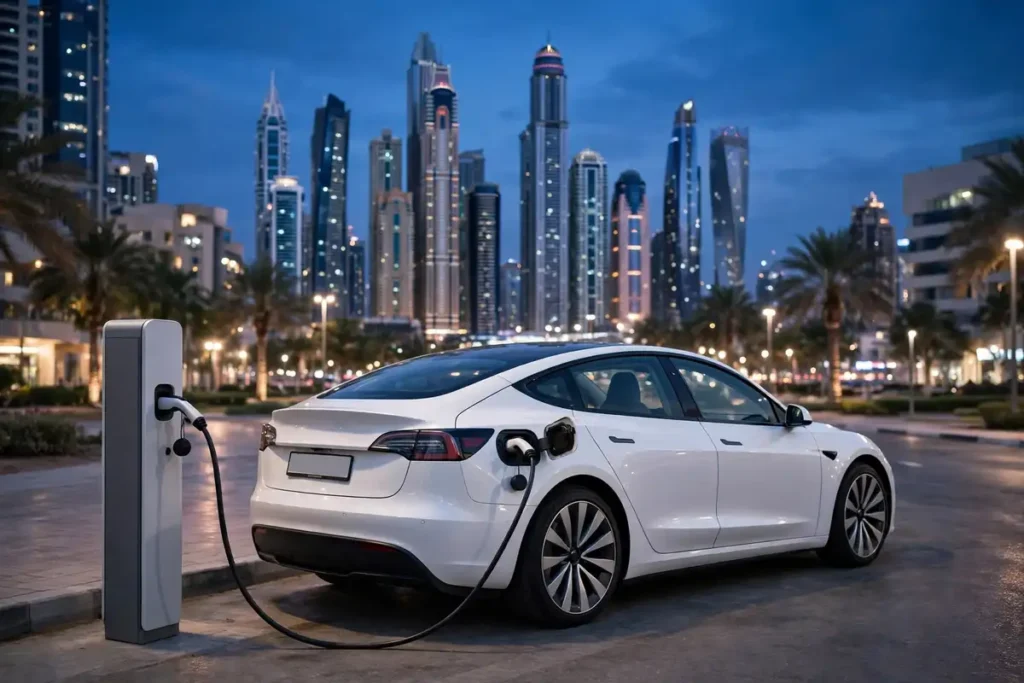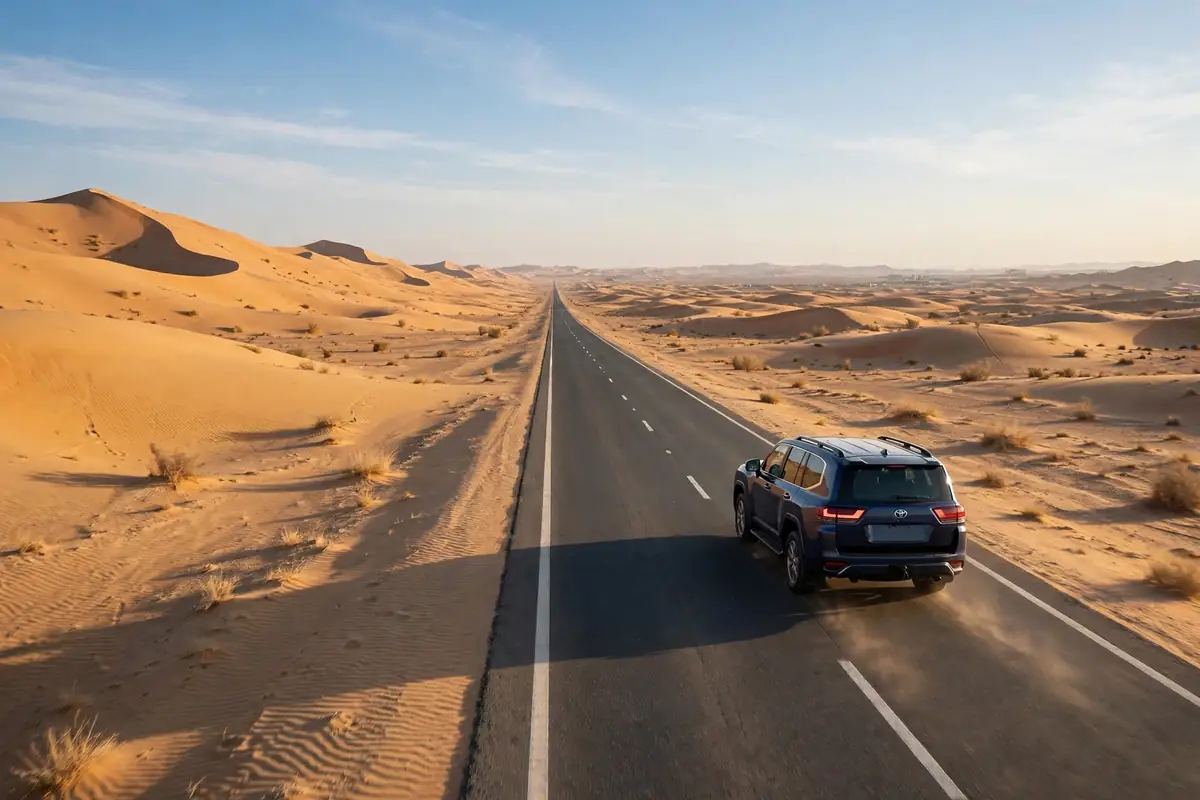
You can drive from the UAE to Kuwait. No direct land border links the two countries. You drive through Saudi Arabia first. You exit the UAE at Ghuwaifat. You enter Saudi Arabia at Al Batha. You drive north through the Eastern Province and past Riyadh. Then you cross into Kuwait at Nuwaiseeb or Al Salmi. The road covers about 1,300 to 1,400 km. It is a two-day drive for most people. Plan a night stop in Saudi Arabia.
This drive from UAE to Kuwait suits a long holiday or a family visit. Kuwait City has old souqs, sea views and wide malls. A flight takes about an hour and a half. The drive takes two days. Drivers pick the road for freedom and for the desert views. You need the right papers for two borders. Get them sorted before you leave home. A missing paper at Al Batha can end the trip on day one.
BoloSara24 checked the Kuwait eVisa portal, the Saudi eVisa portal and the Kuwait road guides on 29 November 2026. GCC residents can get a Kuwait visa on arrival since 10 August 2025. Saudi transit needs a visa and Manafith insurance. Kuwait's 2025 traffic law raised fines sharply. Fees change, so check each portal on the day you apply.
The short answer
Drive from Dubai or Abu Dhabi to Ghuwaifat on the E11. Exit the UAE there. Enter Saudi Arabia at Al Batha with a Saudi eVisa and Manafith insurance. Drive north past Dammam and Riyadh toward the Kuwait border. Cross into Kuwait at Nuwaiseeb or Al Salmi. Enter Kuwait with a Kuwait eVisa or a visa on arrival if your passport and residency qualify. Carry your passport, Emirates ID, Mulkiya and UAE licence. Keep a NOC if the car is not in your name. Stop for the night in Saudi Arabia. Do not drive the full road in one day.
Drive from UAE to Kuwait: the road north
Leave Dubai at dawn. The E11 runs from Dubai to Abu Dhabi and on to the western border. The drive from Dubai to Ghuwaifat takes about four hours. The drive from Abu Dhabi city takes about two and a half hours. Fuel up in Abu Dhabi. Fuel in Saudi Arabia costs less, but you need enough to reach the first Saudi station. Fill the tank. Check the tyres. Check the oil. A desert breakdown costs hours.
Ghuwaifat is the UAE exit point. Show your passport and Emirates ID. Show the car Mulkiya. Pay the UAE exit fee at the counter. The fee is about AED 35. Keep the receipt. Then drive to the Saudi side at Al Batha. The two posts sit close together. Follow the signs.
Al Batha is the Saudi entry point. Show your Saudi eVisa. Show your passport. Show the Mulkiya. Show Manafith insurance. Saudi officers check the car. They may ask about goods in the boot. Answer plainly. Declare what you carry. Alcohol and pork are banned in Saudi Arabia. Don't carry them. Not even a small bottle. The transit leg crosses Saudi soil. Saudi rules apply on that leg. Items banned in Saudi Arabia can stop the car mid-route. Pack with care.
From Al Batha, drive north through the Eastern Province. Pass Dammam. Pass Riyadh on the ring road or stop there for the night. Riyadh is a good halfway stop with hotels at every price. A night in Riyadh splits the drive into two fair days. Day one covers the UAE and the Saudi entry. Day two covers Riyadh to Kuwait. Tired drivers cause crashes. Rest beats speed on this road.
The Kuwait border at Nuwaiseeb or Al Salmi
Two crossings link Saudi Arabia and Kuwait. Nuwaiseeb is the main one. Al Salmi is the other. Both need the same papers. Nuwaiseeb suits drivers from Dammam and the east. Al Salmi suits drivers from Riyadh and the west. Ask at your hotel which queue is shorter.
At the Saudi exit, show your passport and Saudi visa. Saudi officers stamp you out. Then drive to the Kuwait post. Show your passport. Show your UAE residence visa. Show the Mulkiya. Show your Kuwait eVisa or ask for a visa on arrival. Show Kuwait-valid motor insurance. Kuwait officers check the car. They may ask about goods. Answer plainly. Declare what you carry.
Keep the tank above half. Fill up when you see a station. Carry water and snacks. A charged phone is your lifeline if the car stops.
Visas for Saudi transit and Kuwait
You need two visas. One for Saudi transit. One for Kuwait entry. You'll need both in hand before you leave. Don't rely on luck at the border.
Saudi Arabia offers a tourist eVisa online. Apply on the official portal at visa.visitsaudi.com or ksavisa.sa. GCC residents pay about SAR 339.44 in recent checks. Citizens of eligible countries pay about SAR 395. The portal shows the exact fee before you pay. The eVisa allows stays up to 90 days per visit in most cases. Apply at least a week before the trip and print a copy.
Kuwait offers an eVisa online at kuwaitvisa.moi.gov.kw. The portal is run by the Kuwait Ministry of Interior. GCC citizens need no visa. They enter with a passport or national ID card. UAE residents with other passports have two paths. Apply for the eVisa online before the trip. Or get a tourist visa on arrival at the border. Since 10 August 2025, GCC residents can get a visa on arrival regardless of profession. Your GCC residency must have at least six months left. The portal shows the fee before you pay. Apply online if you can.
Some nationalities cannot use the Kuwait eVisa at all. Citizens of Afghanistan, Bangladesh, Iran, Iraq, Pakistan and Yemen must apply at a Kuwaiti embassy or consulate. Check the portal with your passport in hand. If the portal says no, visit the embassy in Abu Dhabi or Dubai. Start that process weeks ahead. Embassy visas take time.
Papers to carry in the car
Pack a folder with originals and copies. BoloSara24 suggests a folder, not a loose pile of papers. Keep it in the car, not in a suitcase in the boot. Officers ask for papers at each post. A folder saves a scramble. Check the countries that accept a UAE driving licence before any Gulf trip. The list helps you know where your licence works. Our guide to use a UAE driving licence abroad covers the same ground for longer trips.
- Passport valid for at least six months
- Emirates ID card
- UAE residence visa with at least six months left
- UAE driving licence
- Mulkiya, the car registration card, in the driver's name or with a NOC
- Saudi eVisa printout
- Kuwait eVisa printout or proof of visa on arrival eligibility
- Manafith insurance for Saudi Arabia
- Kuwait-valid motor insurance
- NOC from the bank, rental firm or owner if the car is not yours
Check every expiry date a week before the trip. A passport with five months left can be refused. A residence visa with five months left can block a Kuwait visa on arrival. Renew first. Travel later.
Insurance for two countries
Your UAE car insurance does not cover Saudi Arabia or Kuwait by itself. You need two extra covers. Manafith covers Saudi Arabia. Kuwait cover must be valid in Kuwait. Buy both before you leave. Do not rely on one country's policy to cover the other.
Manafith is mandatory third-party insurance for non-Saudi cars in Saudi Arabia. It covers damage your car causes to others. It does not cover your own car. Buy it on the Manafith site or app before you travel. Kiosks at Al Batha also sell it. Check with your UAE insurer first. Some UAE policies add GCC cover. Ask in writing if the cover includes Saudi Arabia and Kuwait. A verbal yes is not enough. Get it on paper or in an email. Our guide to temporary car insurance in UAE explains short cover for the trip.
Kuwait-valid insurance is checked at the border. Buy it before you reach Nuwaiseeb or Al Salmi. Your insurer can add Kuwait to your policy. Ask for proof in writing. Keep the proof on paper and on your phone. No proof means a long delay at the post. Sort it at home.
Drive from UAE to Kuwait: road rules in Kuwait
Kuwait drives on the right, like the UAE. Main highways run at 120 km/h. Kuwait changed its traffic law in 2025. Fines rose sharply. Phone use while driving now costs KD 75. No seatbelt costs KD 30. Running a red light is a felony. It can mean jail. Drive at the limit and wear your seatbelt. Every passenger wears one too.
Expat rules in Kuwait are strict. Expats can own only one car. A foreign driver who repeats serious offences can face deportation. Drive with care. Keep your licence, registration and insurance in the car at all times.
Rental cars need written approval for Saudi transit and Kuwait entry. Most rental firms say no to long cross-border trips. Drive your own car if you can. Carry a NOC if the car is financed or borrowed.
Money, fuel and the night stop
Budget for the full return trip. Fuel for about 2,800 km costs about AED 700 to AED 1,000. Insurance for two countries costs a few hundred dirhams. The Saudi eVisa costs about SAR 339.44 for GCC residents. The Kuwait visa fee is shown on the portal before you pay. A realistic budget is AED 3,000 to AED 4,500 for the return trip with hotel nights. Carry Saudi riyals and Kuwaiti dinars. Check the petrol price in UAE before you leave so you know the starting cost.
Stop for the night in Riyadh. It splits the drive well. Book the hotel before you leave the UAE. Pick one near the ring road. Eat a proper meal. Sleep eight hours. Leave Riyadh at dawn. Reach the Kuwait border by midday. Our road trip packing checklist helps you pack the car the night before. The best road trips in UAE by car guide is good practice for long drives like this one.
Travel with kids? Plan more stops. Kids need a break every two hours. Pack snacks, water and games. Sit kids in the back with seatbelts on. Our guide to keep kids safe in the car covers seats and belts for long trips.
Frequently Asked Questions
Can I drive from UAE to Kuwait without going through Saudi Arabia?
No. No direct UAE to Kuwait land border exists. You must transit Saudi Arabia. You exit the UAE at Ghuwaifat. You enter Saudi Arabia at Al Batha. Then you drive north to the Nuwaiseeb or Al Salmi crossing into Kuwait.
How long does it take to drive from UAE to Kuwait?
The drive from UAE to Kuwait covers about 1,300 to 1,400 km. It takes two days for most drivers. Day one covers the UAE and Saudi entry. Day two covers Riyadh to Kuwait. Don't drive the full road in one day. Stop for the night in Riyadh.
Do I need a visa to drive to Kuwait from UAE?
Yes, in most cases. You need a Saudi eVisa for the transit leg. You need a Kuwait eVisa or a visa on arrival for entry. GCC citizens enter Kuwait visa-free with a passport or ID card. GCC residents can get a visa on arrival since 10 August 2025 if their residency has six months left.
What insurance do I need to drive to Kuwait?
You need Manafith insurance for Saudi Arabia. You need Kuwait-valid motor insurance for Kuwait. Buy Manafith online before the trip. Ask your UAE insurer in writing to add Saudi Arabia and Kuwait cover. Your UAE policy alone does not cover both countries.
Which border crossing do I use to enter Kuwait by car?
Use Nuwaiseeb or Al Salmi. Nuwaiseeb is the main crossing. It suits drivers from Dammam and the east. Al Salmi suits drivers from Riyadh and the west. Both need the same papers. Ask at your hotel in Saudi Arabia which queue is shorter.
Can I take a rental car from UAE to Kuwait?
Generally no. Most rental firms do not allow long cross-border trips. Check with your rental firm in writing first. A car without written approval can be stopped at Al Batha or at the Kuwait border. Drive your own car if you can. Carry a NOC if the car is financed or borrowed.
Official Sources
- Kuwait eVisa Portal: Kuwait Ministry of Interior eVisa portal for GCC resident visas and visa on arrival rules.
- Saudi eVisa Portal: Official Saudi tourist eVisa portal run by the Saudi Tourism Authority for transit and tourist visas.
Disclaimer
BoloSara24 is an independent guide. It has no link with the Kuwait government, the Saudi government or any insurer. Visa rules, fines and insurance rules change. Kuwait's 2025 traffic law raised fines sharply. Check the official portals on the day you apply. BoloSara24 gives travel facts only. It is not legal, visa or insurance advice.
Last Updated: 29 November 2026.